“Arabica coffee cultivation” search results (3000)
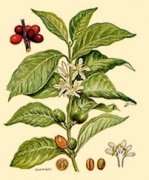
Boutique Coffee Analysis of Coffee beans
There are about 60 species of coffee in the world, of which only 25 species are cultivated to make coffee, of which only 4 species are used as commercial coffee: large fruit coffee (Coffea liberica), medium fruit coffee (Coffea canephora), small fruit coffee (Coffea arabica) and high yield coffee (Coffea dewevrei). These are botanical names. Coffee in the world at present
2014-09-30 Coffee knowledge boutique coffee science coffee beans
Coffee beans compare the difference between Arabica and Robusta
Arabica Coffee Beans Coffea arabica is known as Arabica coffee 70% of the worlds coffee production is from Arabica beans. Arabica coffee is grown in Central and North America, The Carribean, South America, Eastern Africa, Yemen, Papua New
2015-04-14 Coffee beans comparison rabbi Robbins Booth difference Arabica Co
Arabica, Robusta and Liberian coffee are three different types of coffee.
Arabica beans grow in the cold high altitude areas of the tropics. They are an important type of commercial coffee. They bear fruit within three years and have a good aroma and acidity. Arabica coffee beans are mainly produced in South America (except parts of Argentina and Brazil), Central America, Africa (Kenya, Ethiopia and other places, mainly East African countries), Asia (Yemen, India,
2016-04-18 Rabbi Caspecies Robbs Booth Libby Subspecies Species Respectively Representing What is
Introduction to the producing areas of coffee flavor description and grinding characteristics of high-quality brother Kenya Jinchugu
Kenya is bordered to the north by Ethiopia, the origin of Arabica coffee trees, but it was not until the beginning of the 20th century that coffee cultivation began. In the 19th century, missionaries introduced Arabica trees from the leaves, but did not plant them in large quantities. It was not until 1893 that coffee was cultivated on a large scale because of the introduction of Brazil's ancient bourbon seeds. That is to say, Kenyan coffee is of Brazilian origin, because of water.
2016-10-12 High quality Brother Kenya Jinchu Coffee Flavor description Grinding characteristics products
The difference between Arabica and Robusta
Arabica coffee beans coffee called 70% Arabica coffee world coffee produces Arabica coffee beans.
2014-08-15 Coffee knowledge Arabica Robusta coffee bean variety difference
The cultivation of Yunnan Fine Coffee beans the quality of Yunnan Coffee
When it comes to Yunnan coffee, perhaps the most common word we hear is Yunnan small-grain coffee, and most of them will say that Yunnan small-grain coffee is fragrant but not bitter, strong but not strong, so many people classify the varieties of Yunnan coffee as small-grain species. naturally, the taste of Yunnan coffee is fragrant but not bitter, strong but not strong. Regardless of whether it is correct or not, if we explore it strictly, there is a name at present.
2016-03-28 Yunnan boutique coffee beans planting coffee variety quality
Blue Mountain Coffee, the main coffee bean in Taiwan market.
Coffee trees are small shrubs growing in tropical highlands. Their fruits are red or yellow, and the seeds inside are what we call coffee beans. At present, coffee beans are grown in about 66 countries in the world, among which they can be classified as Arabica, Robusta and Liberica. Arabica is the largest major variety of coffee beans, accounting for about 80% of its aroma and quality. And Rob
2015-06-05 Taiwan City owner want Coffee Bean Blue Mountain Coffee growth Tropical High
Introduction to the flavor of Kenyan coffee
Kenya Coffee Kenya Coffee Kenya is the origin of Arabica coffee trees in Kenya, but it was not until the beginning of the 20th century that coffee cultivation began. Missionaries introduced Arabica trees from the leaves in the 19th century, but did not plant them in large quantities. It was not until 1893 that coffee was cultivated on a large scale after the introduction of Brazil's ancient bourbon seeds.
2016-06-15 Kenya coffee flavor introduction
Classification of coffee by the National Standard for Coffee Botany
There are more than 60 types of coffee, but there are roughly two types of coffee grown on a commercial scale, one is Arabica, accounting for about 70% of the world's coffee planting area; one is Robasta, accounting for about 30% of the world's coffee planting area. According to the classification of coffee by China's national standards, it is mainly divided into the following five varieties. 1. Arabica coffee, i.e. Arabian species. origin
2015-01-17 coffee botany national standard classification class has variety commercial
The variety of coffee
The varieties of coffee beans (Coffee Bean) can be divided into three types, namely Arabica (Arabica), Robusta (Robusta) and Lubebica (Liberica)
2014-08-18 Coffee knowledge coffee varieties coffee encyclopedia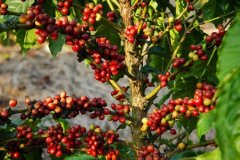
Coffee basics two coffee varieties of coffee beans
Linnaeus (Swedish naturalist) classifies coffee plants into the Rubiaceae family, such as gardenia. The great naturalist named it Coffea. Although wild plants can grow as high as 10-12 meters, the plantations are about 3 to 5 meters high, with the exception of Colombia, where tree species rarely exceed 2 meters. This makes farming and picking easier and more economical to cultivate. Leaves
2015-02-16 Coffee basics coffee beans two varieties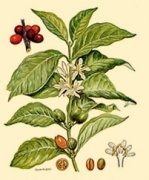
A brief introduction to the basic knowledge of Coffee beans
There are about 60 species of coffee in the world, of which only 25 species are cultivated to make coffee, of which only 4 species are used as commercial coffee: large fruit coffee (Coffea liberica), medium fruit coffee (Coffea canephora), small fruit coffee (Coffea arabica) and high yield coffee (Coffea dewevrei). These are botanical names. Coffee in the world at present
2014-11-20 Coffee knowledge boutique coffee science coffee beans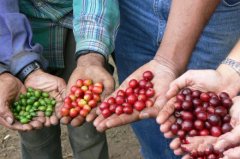
Tell me about the varieties of coffee beans.
According to the variety of coffee beans (Coffee Bean) can be divided into three types of coffee beans are: Arabica coffee contains about 1% per cent by weight of caffeine, generally speaking, the better quality, more expensive coffee beans, are from Elaraby (Arabica) coffee beans. Accounts for 3/4 of the world's output, good quality, due to the coffee tree itself
2014-06-28 Coffee beans coffee beans Arabica Rubebeca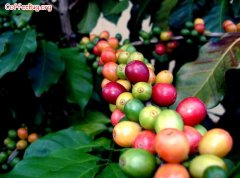
Variety classification of high-quality coffee beans and knowledge coffee
Coffee beans (Coffee Bean) can be divided into three types, namely Arabica-coffee contains caffeine of about 1% per cent by weight. Generally speaking, the better quality and more expensive coffee beans come from coffee beans grown by Elaraby. It accounts for 3/4 of the world's output and is of good quality, because the coffee tree itself is sensitive to heat and humidity.
2015-01-26 Boutique coffee beans knowledge coffee varieties classification Coffee
An introduction to the characteristics of fine coffee beans in the manor area
Uganda is the country of origin of coffee grown in Robusta, but commercial cultivation of Arabica species here did not begin until early 1900. Today, there are still a large number of wild robusta coffee trees in Uganda, which is rare in cities in the world. As a landlocked country, the large coffee cultivation in Uganda is often interplanted, where coffee trees are mixed with food crops and rubber trees.
2016-09-22 Taste fragrant Uganda coffee flavor manor producing area characteristics boutique
Basic knowledge of boutique coffee knowledge of fine coffee beans
There are about 60 species of coffee in the world, of which only 25 species are cultivated to make coffee, of which only 4 species are used as commercial coffee: large fruit coffee (Coffea liberica), medium fruit coffee (Coffea canephora), small fruit coffee (Coffea arabica) and high yield coffee (Coffea dewevrei). These are botanical names. Coffee in the world at present
2014-12-28 Boutique coffee basics common sense coffee beans knowledge the world plants about
Coffee produced in those places in China 2015 Chinese coffee production Chinese coffee industry
Many experts believe that China's arabica coffee still has a long way to go if it wants to reach the level of Latin America and occupy a place in the world coffee production. Volcaf said: Chinese Arabica coffee, as a relatively new variety of the world coffee family, its quality improvement will also make it accepted by more and more manufacturers. Arabica coffee beans
2016-07-16 China those local coffee origin 2015 output industry many specialized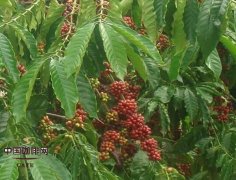
Types of specialty coffee beans
At present, the most important coffee beans mainly come from two varieties, namely coffeaarabica and coffeacanephore. The former is the so-called arabica growing coffee beans. The latter is also known as robusta to grow coffee beans. The plants, cultivation methods, environmental conditions, appearance, chemical composition and even the processing methods of the subsequent raw beans of the two kinds of coffee beans are different.
2015-01-31 Boutique coffee beans characteristics types at present the most important mainly from
Flavor characteristics of Colombian Coffee Grade
Columbia Superior St. Augustine | ColombiaSupremo San Agustin St. Augustine is located in the Uila region of southern Colombia. Because it is located in the cliff area, the transportation infrastructure is very imperfect. In addition, due to frequent civil wars, the region has become one of the areas where robberies and robberies often occur in the transportation of raw coffee beans. St. Augustine is born.
2016-06-05 Columbia Coffee Grade Flavor characteristics Super Augustus
Arabica beans Arabica beans specialty coffee Cameroon coffee beans
Cameroon's dark roast coffee beans suitable for espresso. Arabica coffee trees were first cultivated in Cameroon in 1913 as Blue Mountain coffee from Jamaica, but the country also produces robert coffee in large quantities. The quality and characteristics of Cameroonian coffee are comparable to those of South American coffee. The best coffee in the country comes from Bamileke and Bavaria in the northwest.
2016-03-24 rabbi coffee beans specialty coffee country of origin cameroon suitable